

Questo articolo è disponibile anche in: Italiano (Italian)
The Horizon H-HOPE Project of the University of Padua: what has been achieved and what are the future goals?
Recovering hydroelectric energy lost in water pipes and sewers to power smart sensors and improve infrastructure monitoring. This is the goal of H-HOPE (Hidden Hydro Oscillating Power for Europe), a project led by the Department of Industrial Engineering at the University of Padua and funded by the European Union’s Horizon Europe programme.
Launched in 2022 with a duration of four years and developed by a consortium of 14 partners from 9 European countries, the project aims to transform the “hidden” energy that is wasted in water networks into a useful resource to power IoT (Internet of Things) sensors capable of transmitting physical or environmental data (such as water quantity or temperature) on the health of infrastructure wirelessly and in real time to the authorities that manage water pipes, without resorting to external power sources.
Achievements
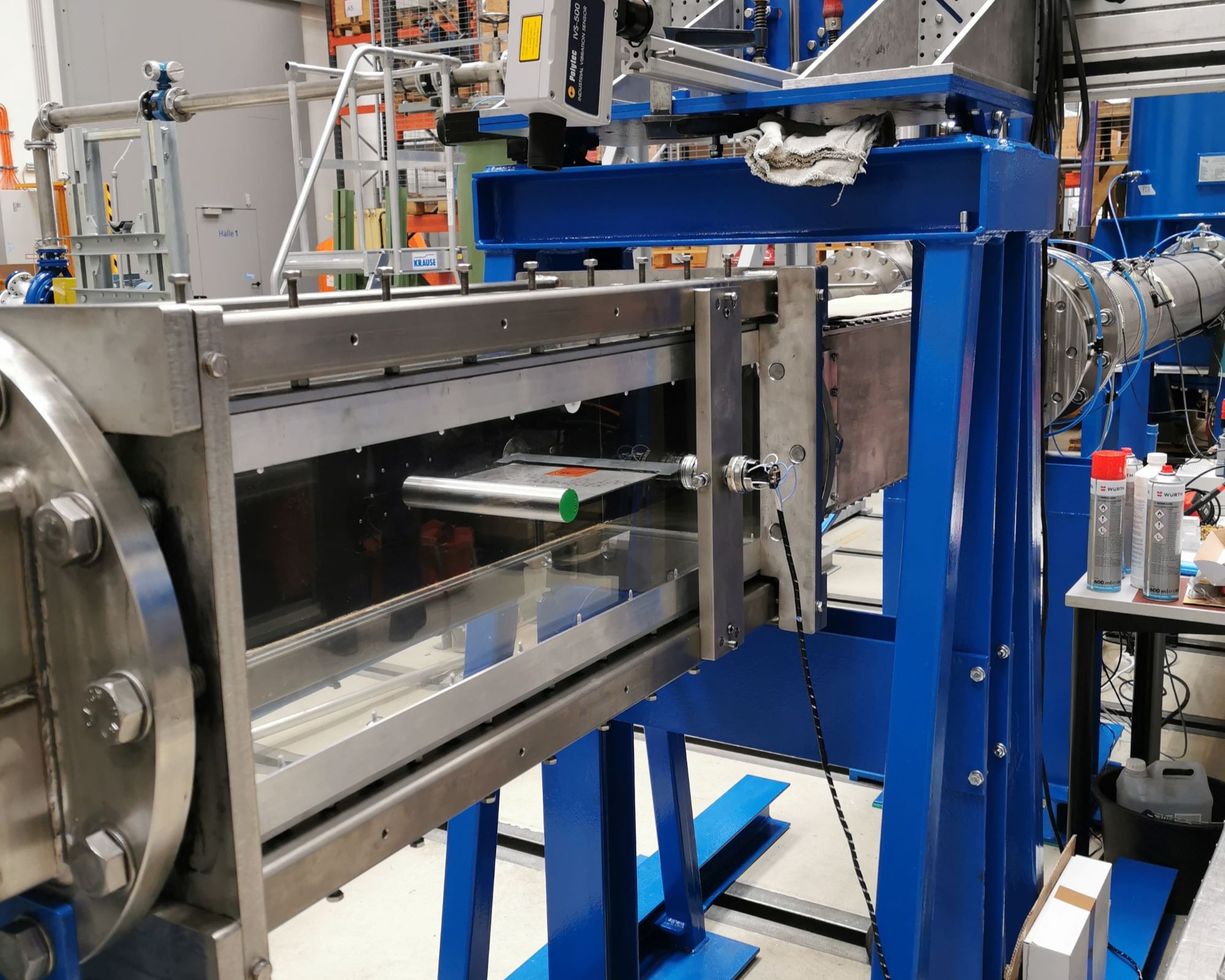
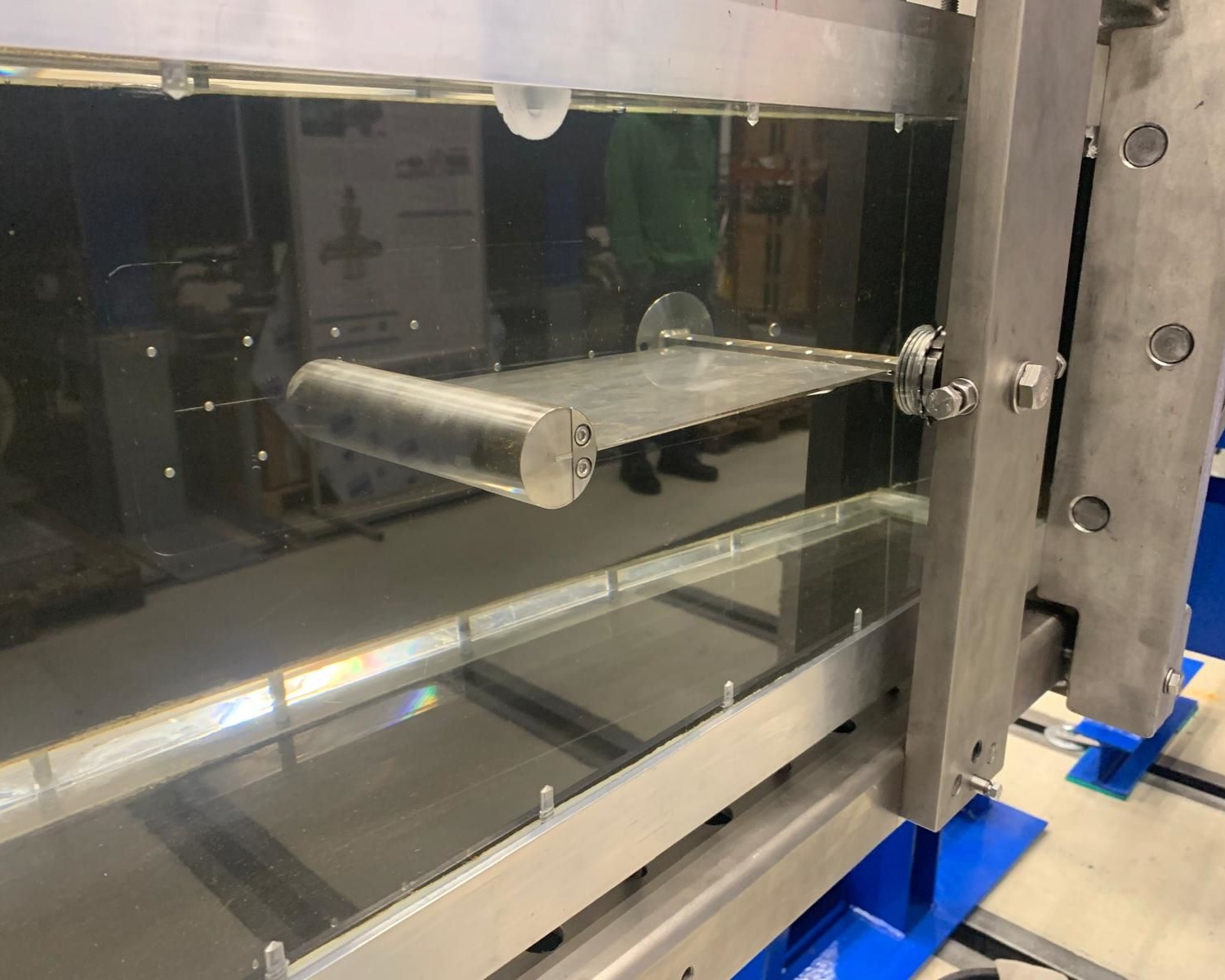
In 2025, H-HOPE achieved significant technological results: mini cylindrical hydroelectric devices installed in aqueduct pipes, sewage system channels and natural environments achieved efficiencies of between 25% and 40% of the theoretically available energy.
In addition, the team developed an advanced multiphysics model to adapt the devices to different applications: pressurised pipes, artificial channels and open waterways. The prototypes were successfully tested in the laboratory and pilot sites were identified in Italy, Spain, Iceland, Austria, Sweden and Turkey for further development. In Italy, the trials involve an aqueduct in Verona managed by Acque Veronesi and an artificial canal in Piedmont owned by Edison.
In parallel, the project has launched an open-source Data Hub on GitHub to facilitate the sharing of codes and resources and has integrated research activities into university teaching, with the launch of joint doctoral programmes.
Future objectives
And for 2026? The consortium will focus on finalising analyses at sites with high energy recovery potential and creating maps to identify energy recovery opportunities for the European water sector.
Questo articolo è disponibile anche in: Italiano (Italian)