

Questo articolo è disponibile anche in: Italiano (Italian)
Art and UniPD research come together in Silvia Canton’s new exhibition dedicated to the bark beetle emergency
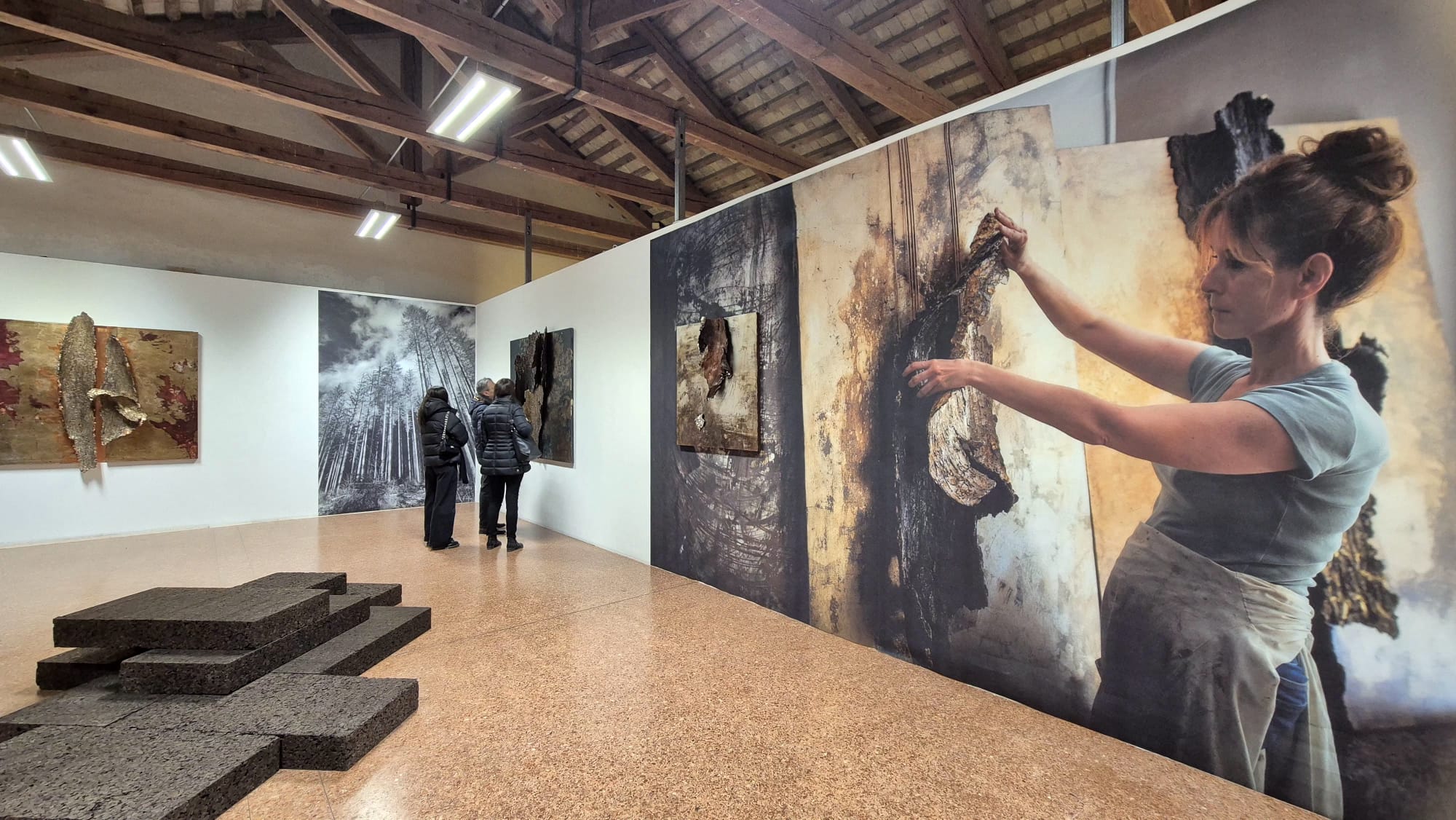
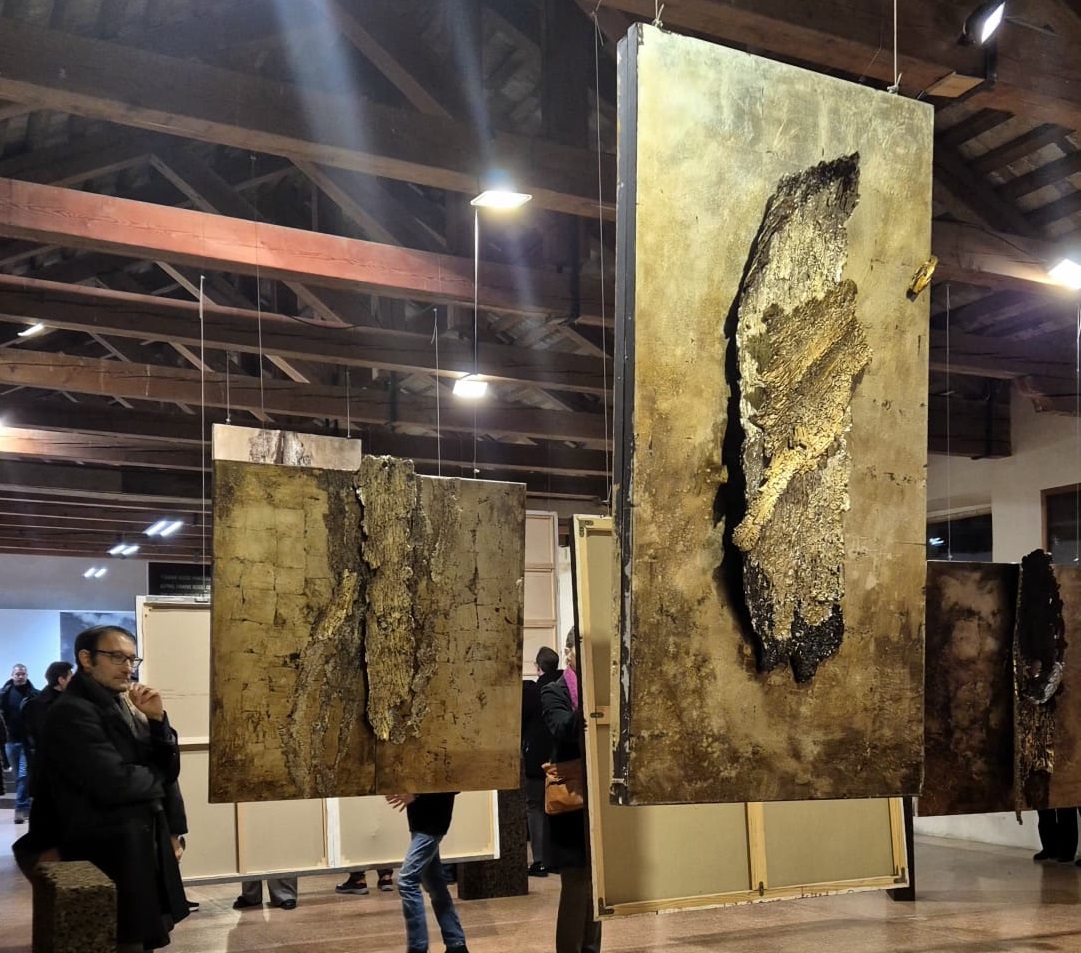
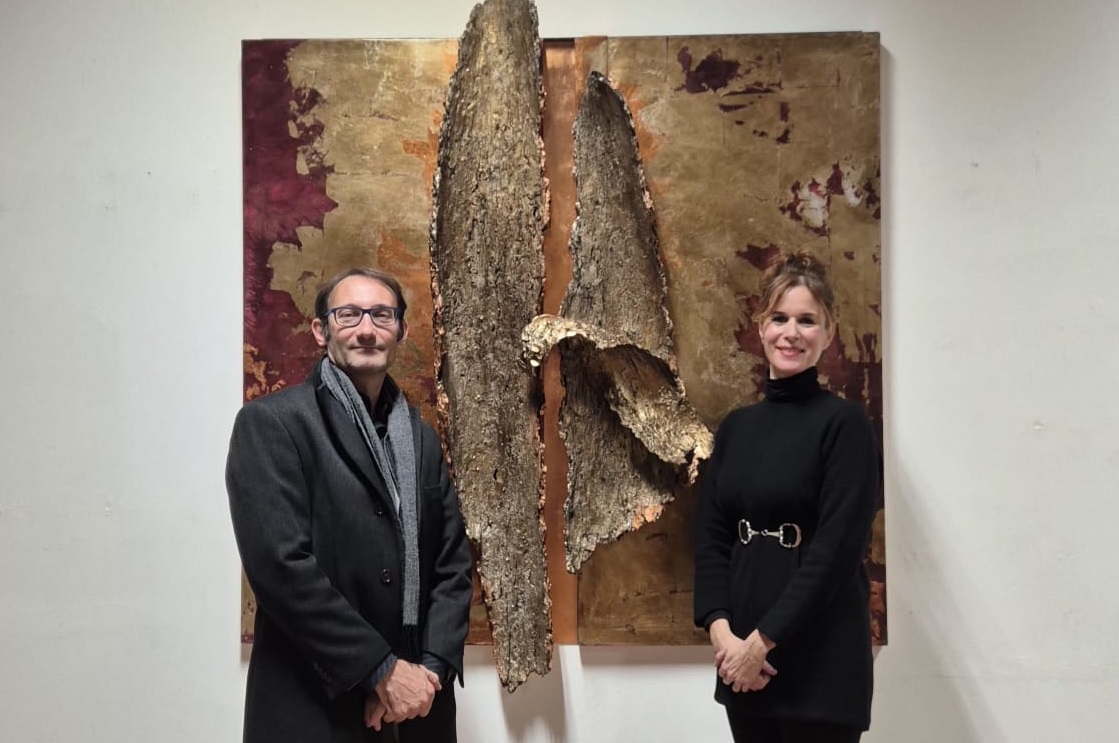
The new contemporary art exhibition by Silvia Canton, entitled “Love Ends Where the Grass Ends. After Vaia, the Bark Beetle”, was inaugurated on Saturday, 29 November. The exhibition, hosted at the Fondazione Bevilacqua La Masa in Venice, features a series of works created using the bark of trees affected by the bark beetle, an insect that worsened the consequences of Storm Vaia in the forests of Northeastern Italy. A material rich in memory, which in the hands of the artist becomes a tangible testimony to the still-open environmental wounds.
The initiative is organized by Techne Art Service with the patronage of the University of Padua and the Departments TESAF – Territory and Agro-Forestry Systems and DAFNAE – Agronomy, Animals, Food, Natural Resources and Environment, actively involved in scientific research on the phytosanitary emergency caused by the parasite.
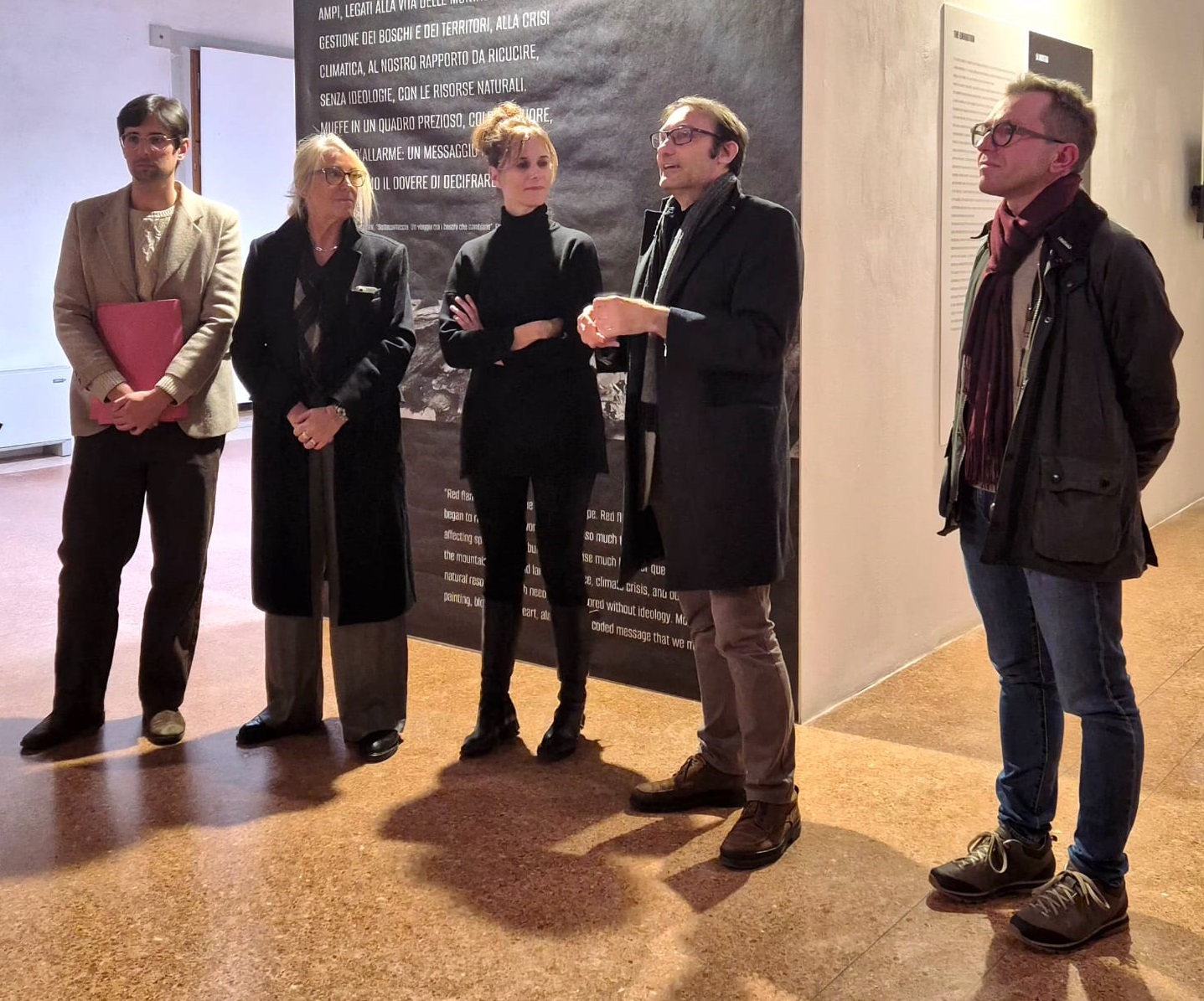
The exhibition is enhanced by the scientific supervision of Prof. Massimo Faccoli (DAFNAE) and Prof. Emanuele Lingua (TESAF), coordinators of the University of Padua’s research activities on the bark beetle phenomenon. Their collaboration helps bridge artistic expression and scientific dissemination, offering the public a deeper understanding of the themes explored.
Alongside the exhibition, the University of Padua continues the fundraising campaign “Emergenza Bostrico”, aimed at supporting two PhD projects dedicated to studying and restoring the affected forest areas. Thanks to generous donations, the first goal has already been reached; the campaign now continues to fund the second PhD, focused on the reconstruction of the forests of the future.
Special thanks go to Silvia Canton, whose artistic sensitivity transforms an environmental emergency into an opportunity for collective reflection. Her works help keep attention alive on forest conservation and the impacts of climate change.
To support the research of the University of Padua, visit the dedicated page: Emergenza Bostrico.
Questo articolo è disponibile anche in: Italiano (Italian)